A healthy smile does more than enhance your appearance—it plays a critical role in your ability to eat, speak, and maintain overall oral health. Unfortunately, tooth decay, injury, wear and tear, and tooth loss can compromise both the function and aesthetics of your smile. Restorative dentistry focuses on repairing damaged teeth and replacing missing teeth to help patients regain comfort, confidence, and oral function.
At Broad St Smiles, restorative dentistry treatments are customized to address each patient’s unique needs. Whether you have a cavity, a cracked tooth, or multiple missing teeth, restorative dental care can help rebuild your smile and improve your quality of life.
What Is Restorative Dentistry?
Restorative dentistry involves diagnosing and treating dental problems that affect the health, function, and structure of your teeth.
The goal is to restore damaged teeth, replace missing teeth, and preserve as much natural tooth structure as possible. Modern restorative techniques provide durable, natural-looking solutions that blend seamlessly with your smile.
Why Restorative Treatment Is Important
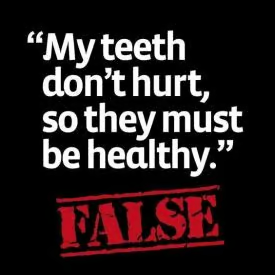
Ignoring dental problems can often lead to more serious complications over time.
Untreated damage may result in:
- Increased tooth pain
- Infection
- Tooth loss
- Difficulty chewing
- Changes in bite alignment
- Additional dental expenses
Prompt restorative treatment can help prevent these issues and protect your long-term oral health.
Common Restorative Dentistry Procedures
Restorative dentistry includes a variety of treatments designed to repair and replace teeth.
Tooth-Colored Fillings
Dental fillings are used to treat cavities caused by tooth decay.
Modern composite fillings are designed to match the natural color of your teeth while restoring strength and function.
Dental Crowns
A dental crown is a custom-made restoration that covers and protects a damaged tooth.
Crowns may be recommended for:
- Large cavities
- Cracked teeth
- Worn teeth
- Teeth following root canal therapy
Crowns help strengthen teeth while maintaining a natural appearance.
Dental Bridges
A bridge replaces one or more missing teeth by anchoring an artificial tooth between adjacent teeth or implants.
Bridges help restore chewing function and prevent neighboring teeth from shifting.
Dental Implants
Dental implants replace missing tooth roots and support custom restorations.
Because implants integrate with the jawbone, they provide exceptional stability and help preserve bone structure.
Restoring Damaged Teeth
Teeth can become damaged due to injury, decay, or years of wear.
Cracked Teeth
Even small cracks should be evaluated promptly to prevent further damage.
Depending on the severity, treatment may include bonding, crowns, or root canal therapy.
Worn Teeth
Teeth may become worn from grinding, clenching, or normal aging.
Restorative treatment can rebuild tooth structure and improve function.
Replacing Missing Teeth
Missing teeth can affect more than your appearance.
Tooth loss may contribute to:
- Difficulty eating
- Speech problems
- Jawbone loss
- Shifting teeth
- Changes in facial structure
Dental Implants
Implants are often considered the gold standard for tooth replacement because they closely mimic natural teeth.
Implant-Supported Bridges
Patients missing multiple teeth may benefit from implant-supported restorations that provide stability and durability.
Dentures
Modern dentures offer an effective solution for replacing several or all missing teeth.
Benefits of Restorative Dentistry
Restorative treatment provides both functional and cosmetic advantages.
Improved Oral Function
Patients can often eat and speak more comfortably following treatment.
Enhanced Appearance
Restorations are designed to blend naturally with existing teeth.
Better Oral Health
Repairing damaged teeth helps prevent additional complications and supports long-term oral wellness.
Increased Confidence
A complete, healthy smile often improves self-esteem and quality of life.
When Should You Seek Restorative Treatment?
Early intervention often leads to simpler and more conservative treatment options.
You should schedule an evaluation if you experience:
- Tooth pain
- Cracked teeth
- Missing teeth
- Difficulty chewing
- Tooth sensitivity
- Visible decay
Ignoring symptoms may allow conditions to worsen over time.
Maintaining Restorative Dental Work
Proper care helps maximize the lifespan of your restorations.
Daily Oral Hygiene
Brush twice daily and floss regularly.
Routine Dental Visits
Regular exams allow your dentist to monitor restorations and identify concerns early.
Avoid Harmful Habits
Avoid chewing ice, using teeth as tools, and other habits that may damage restorations.
Why Choose Broad St Smiles for Restorative Dentistry?
Broad St Smiles offers comprehensive restorative dentistry services designed to help patients regain healthy, functional smiles.
Our team combines advanced technology, personalized treatment planning, and patient-centered care to deliver long-lasting results that support both oral health and confidence.
Frequently Asked Questions
What is restorative dentistry?
Restorative dentistry focuses on repairing damaged teeth and replacing missing teeth to restore oral function and health.
How long do dental crowns last?
With proper care, many crowns can last 10 to 15 years or longer.
Are dental implants part of restorative dentistry?
Yes. Dental implants are a common restorative solution for replacing missing teeth.
Can damaged teeth be saved?
In many cases, restorative treatments can successfully repair and preserve damaged teeth.
Conclusion
Restorative dentistry plays an essential role in protecting oral health and rebuilding smiles affected by damage or tooth loss. Whether you need a filling, crown, bridge, or dental implant, timely treatment can help restore comfort, function, and confidence.
Restore your smile with personalized restorative dentistry at Broad St Smiles. Schedule your consultation today.