Quick Answer
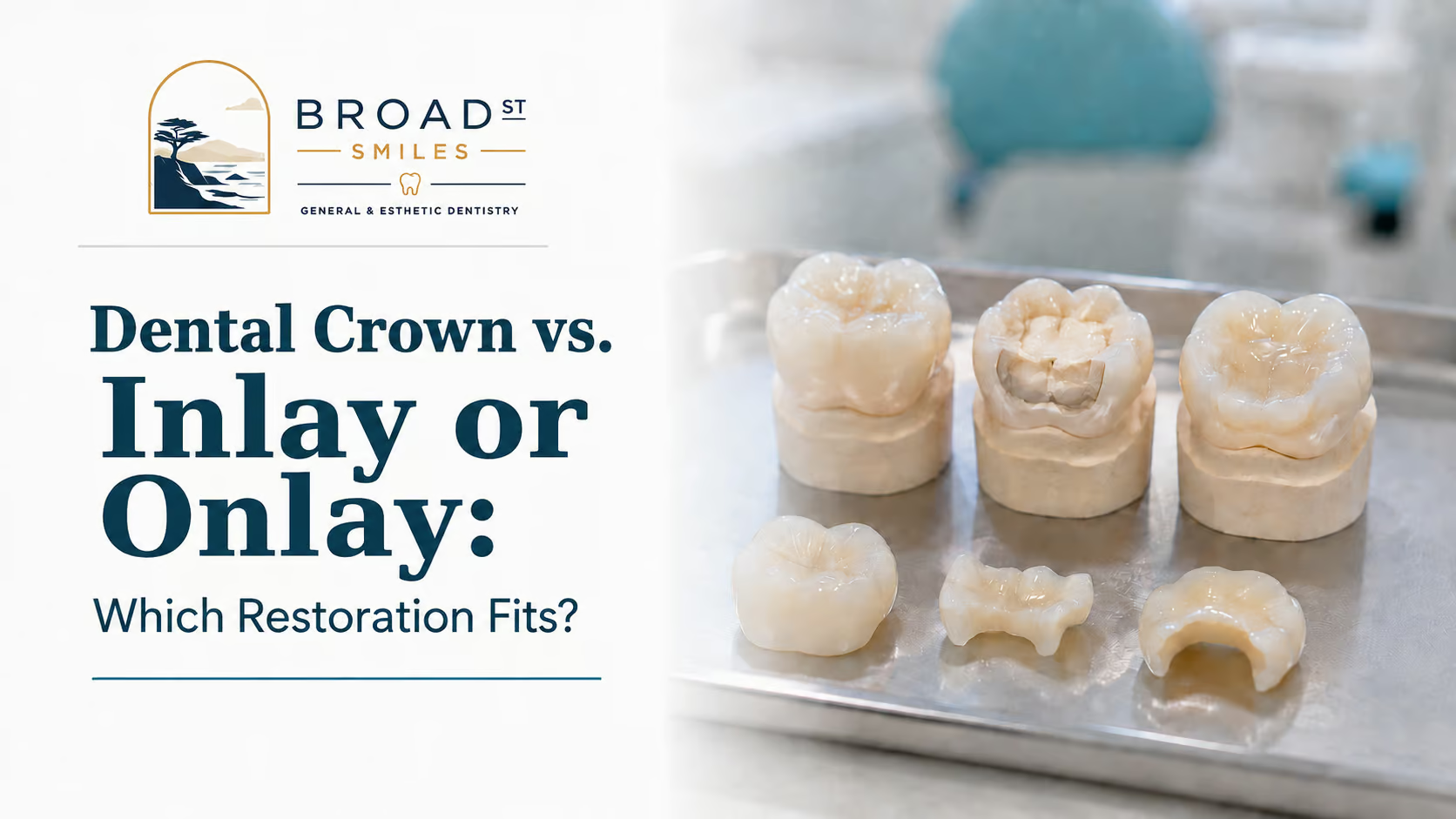
A crown covers most or all of the visible tooth. An inlay fits within the chewing surface. This can happen while an onlay also covers one or more raised cusps. The amount and location of healthy tooth structure often guide the choice.
Why This Issue Deserves Attention
Your mouth can give early clues before a problem becomes severe. That is why it helps to know what to watch for and when to call a dentist. Patients who need help with dental crown vs inlay onlay can start with a careful exam rather than trying to guess the cause at home.
At Broad St Smiles, the goal is to explain the findings in plain language and review practical choices. The team considers your comfort, health history, and goals. The condition of the full mouth. You can also explore restorative dentistry options before your visit.
Common Signs to Watch For
One symptom does not always reveal the cause. Still, the following changes are useful reasons to pay attention:
- A large or failing filling.
- A broken cusp or cracked area.
- Decay that is too wide for a small filling.
- Weak tooth structure after past treatment.
- Pain when biting on a damaged tooth.
Some people have few symptoms at first. Others notice a change only during meals, brushing, or sleep. If a symptom returns, lasts, or affects normal activity, make an appointment. Sudden swelling, trauma, trouble breathing, or uncontrolled bleeding needs urgent care.
What May Be Causing the Problem
Dental symptoms can have more than one cause. A dentist looks at the whole pattern instead of treating one detail in isolation. Possible factors include:
- Decay that removes part of the tooth.
- A fracture caused by biting something hard.
- Wear linked to grinding or clenching.
- An old restoration that no longer seals well.
- A tooth shape that needs added strength or coverage.
This list is not a diagnosis. Two people with the same symptom may need very different care. An exam helps rule out serious concerns and may also prevent a small problem from becoming harder to treat.
What to Expect During a Dental Visit
The appointment begins with a conversation. Share when the problem started, what makes it better or worse. Whether it has changed. Mention medicines, health conditions, and recent injuries. Past dental work. These details often guide the exam.
Depending on your needs, the dental team may:
- Examine how much sound tooth remains.
- Check the bite and the location of the damage.
- Use dental images to look below the visible surface.
- Discuss material, appearance, cost. Expected care.
- Recommends the most conservative option that can provide reliable support.
Tests and images are chosen for a reason. Not every patient needs the same steps. The dentist will combine the findings with your symptoms before making a recommendation. For more context, read the restorative dentistry guide on the Broad St Smiles website.
Treatment Is Based on the Cause
There is no single treatment that fits every patient. A mild issue may respond better to home care or monitoring. Damage, infection, or ongoing disease may require professional treatment. When more than one option is suitable, ask about benefits, limits, timing, cost. Expected maintenance.
The most useful plan is one you understand and can follow. Ask the dentist to show you the area and explain the goal of treatment. Describe what may happen if care is delayed. You can also ask whether treatment can be completed in stages.
Steps You Can Take Now
- Avoid chewing ice and other very hard objects.
- Brush and clean between the restored tooth and its neighbors.
- Do not use teeth to open packages.
- Wear a nightguard if your dentist recommends one for grinding.
- Report a loose restoration or pain when biting.
Home care can support comfort and prevention. But it cannot replace a diagnosis. Avoid putting aspirin on a tooth or gum, using household glue, or starting leftover antibiotics. These steps may irritate tissue or delay the right treatment.
How Broad St Smiles Supports Patients
Broad St Smiles provides personalized dental care for patients in San Luis Obispo and nearby communities. The practice offers general, preventive, restorative, cosmetic, and emergency. Sedation services. Modern tools help the team examine concerns and explain what they see.
If you feel nervous, tell the team when you schedule. Questions are welcome. Comfort can be part of the plan. First-time patients can review sedation dentistry options before arriving. The aim is to help you make an informed choice without pressure.
A Simple Plan for Your Visit
Start with a short note. Write down when the change began. Add where you feel it. Note what makes it worse. Note what makes it stop. If you can see a change, say when you first saw it. This small list can save time at your visit.
Bring a list of your drugs. Add all pills and vitamins. Share any new health news. Tell the team about past care on the same tooth or area. If you have old dental images, ask if the office needs them. Good facts help the team plan safe care.
Pick two or three key questions. Ask what the team found. Ask what may happen next. Ask which choice saves the most sound tooth. You can ask about time and cost. Care at home. You can also ask what signs mean you should call back soon.
What to Do After the Exam
Read the care plan at home. Keep it in a safe place. Mark the next step on your phone or wall plan. Use each product as told. Do not add a home cure from the web. Call the office if a step is not clear. A quick call can stop a mix-up.
Track how the area feels. Use a brief note each day. Do not test a sore tooth with hard food. Do not skip care just because pain fades. Some mouth issues have quiet days. Keep the follow-up visit unless the dental team tells you to change it.
Frequently Asked Questions
Is an onlay the same as a partial crown?
People sometimes call an onlay a partial crown. This is because it covers a damaged cusp without covering the whole visible tooth.
Which option lasts longer?
Life span depends on material, bite forces, and home care. The amount of tooth support. No single choice is best for every tooth.
Will treatment hurt?
The area is numbed for tooth preparation. Tell the team about anxiety or sensitivity so comfort options can be discussed.
Can a filling replace an inlay or crown?
A filling may work for smaller damage. Larger weak areas may need more support than a direct filling can provide.
The Bottom Line
Changes in the mouth are easier to manage when they are assessed early. If you are concerned about dental crown vs inlay onlay, schedule a visit with Broad St Smiles in San Luis Obispo. A focused exam can identify the cause and clarify your options. Help you protect comfort and function.
For independent patient information, review the ADA overview of dental crowns. This article is for general education and is not a substitute for diagnosis or personal medical or dental advice.